
Sourcing Realities and Sensory Myths: How to Balance the Matcha Trend with Operational Speed
Sourcing matcha for a modern café requires moving past marketing fluff. Learn how fixed annual harvest volumes impact your supply chain, why milk fat alters your matcha grade choice, and how to spot unshaded autumn alternatives using hard trade data.
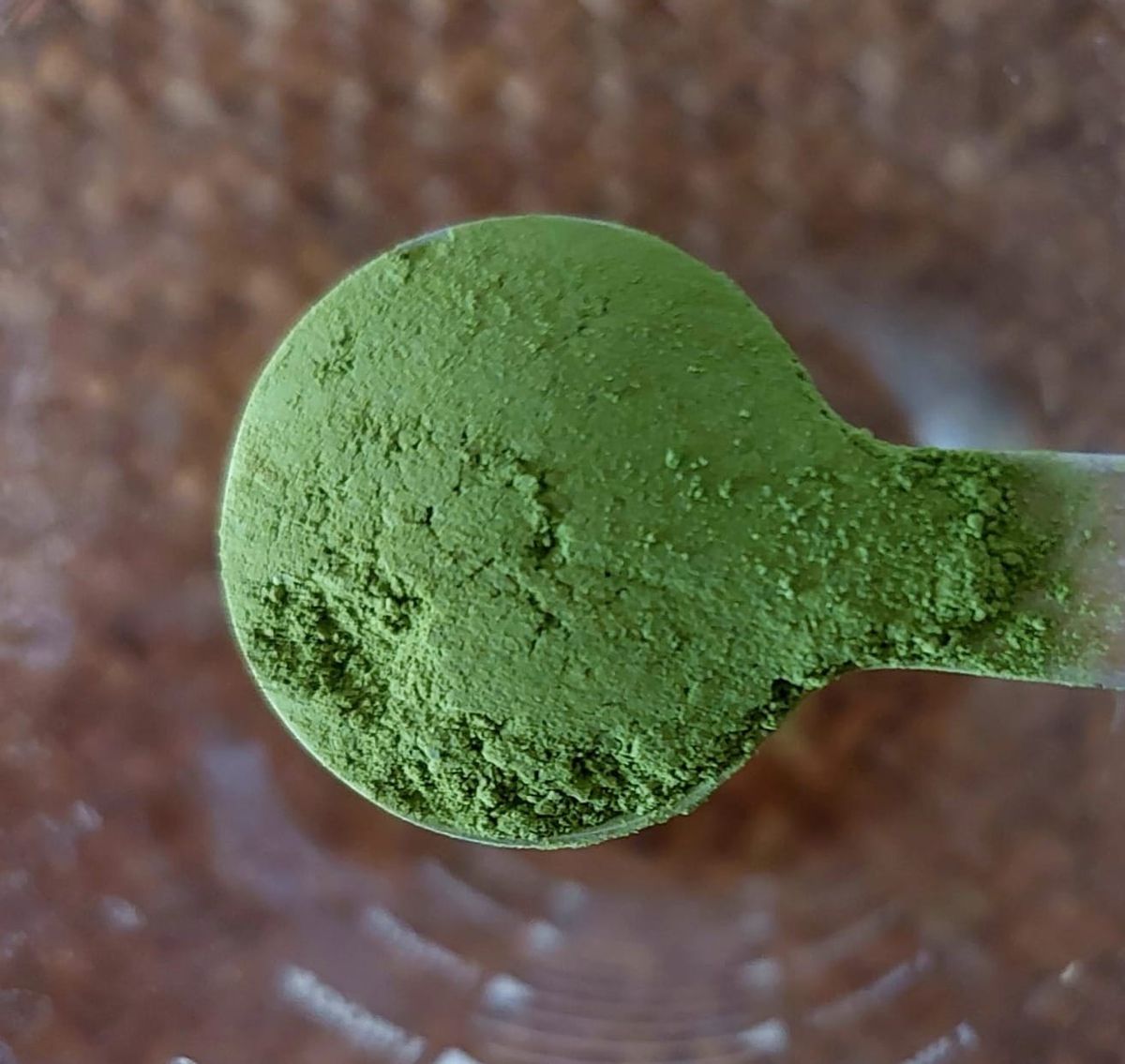
Demystifying the "Ceremonial" Illusion, Milk Chemistry, and the Truth Behind the Annual Harvest Wall of Matcha Powder
For a modern beverage program, managing a specialty matcha menu is a unique operational headache. You want to source a reliable, vibrant green powder that your staff can prepare quickly during a morning rush, but you are met with total ambiguity. Wholesale brokers offer everything from "Culinary" to "Ultra-Premium Imperial Ceremonial Grade" at wildly varying price points, yet none of these terms are backed by actual legal trade definitions. You are forced to make high-stakes procurement decisions in a market flooded with low-grade alternative green powders that clump on the bar, turn a dull yellow-brown in the cup, and slow down your ticket times. The real issue isn’t finding the "best" tea in the world; it’s figuring out exactly what tier of raw material your bar actually requires to keep customers happy without draining your margins.
The Core Problem: The Annual Fixed Volume Wall
Specialty coffee beans can be imported green, stored safely, and roasted based on weekly café consumption patterns. Pulverized matcha operates on a completely different, unforgiving timeline. The global volume of authentic, shaded Tencha leaf is fixed once a year.
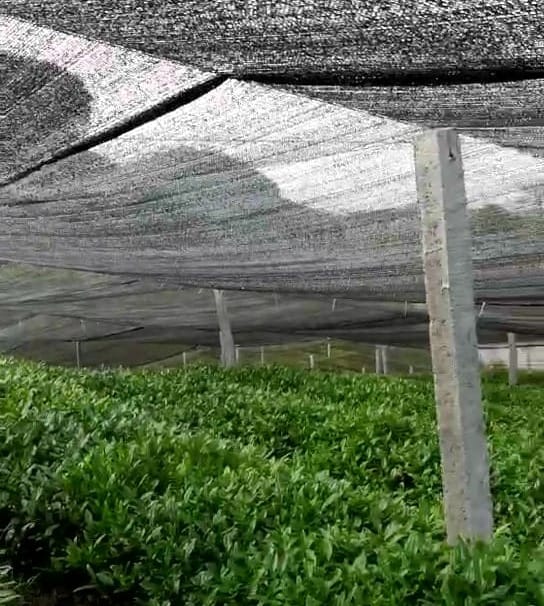
Because of the labor-intensive requirements of canopy shading, agricultural producers must commit to their exact production volume weeks before a single leaf is harvested. They must decide precisely how much acreage to shade under structural canopies; the remaining unshaded fields are left to grow as common green tea. Furthermore, this product is highly vulnerable to rapid oxidation, carrying an unstable sensory shelf life that means it must be consumed under 15 months from milling. Farm factories cannot simply hoard massive backlogs of back-dated inventory to protect you against sudden market spikes.
When global procurement surges mid-year and the true shaded spring harvest runs out, some people from the supply chain might create an alternative: industrial processors begin powdering sun-grown, unshaded autumn green tea leaves to plug the supply hole. Because autumn tea is not the ideal ingredient for clean flavor, it tastes far more bitter than spring tea. If you don't secure your annual allocation upfront, your business is left unknowingly buying bitter, astringent autumn powder disguised as a premium spring selection just to keep up with menu demand.
The Café Overheard: Designing the Illusion
Walk into any busy specialty café during the morning rush, and you will hear a variation of the same conversation at the pick-up counter:
"I’m switching from my second café latte to a matcha latte today. I'm trying to be healthier and cut back on the coffee jitters."
As an operator, you welcome this shift—matcha lattes command an excellent premium and bring in fantastic margins. You let the consumer happily live in this wellness dream; there is no need to break the illusion. But behind the scenes, the food science tells a different story.
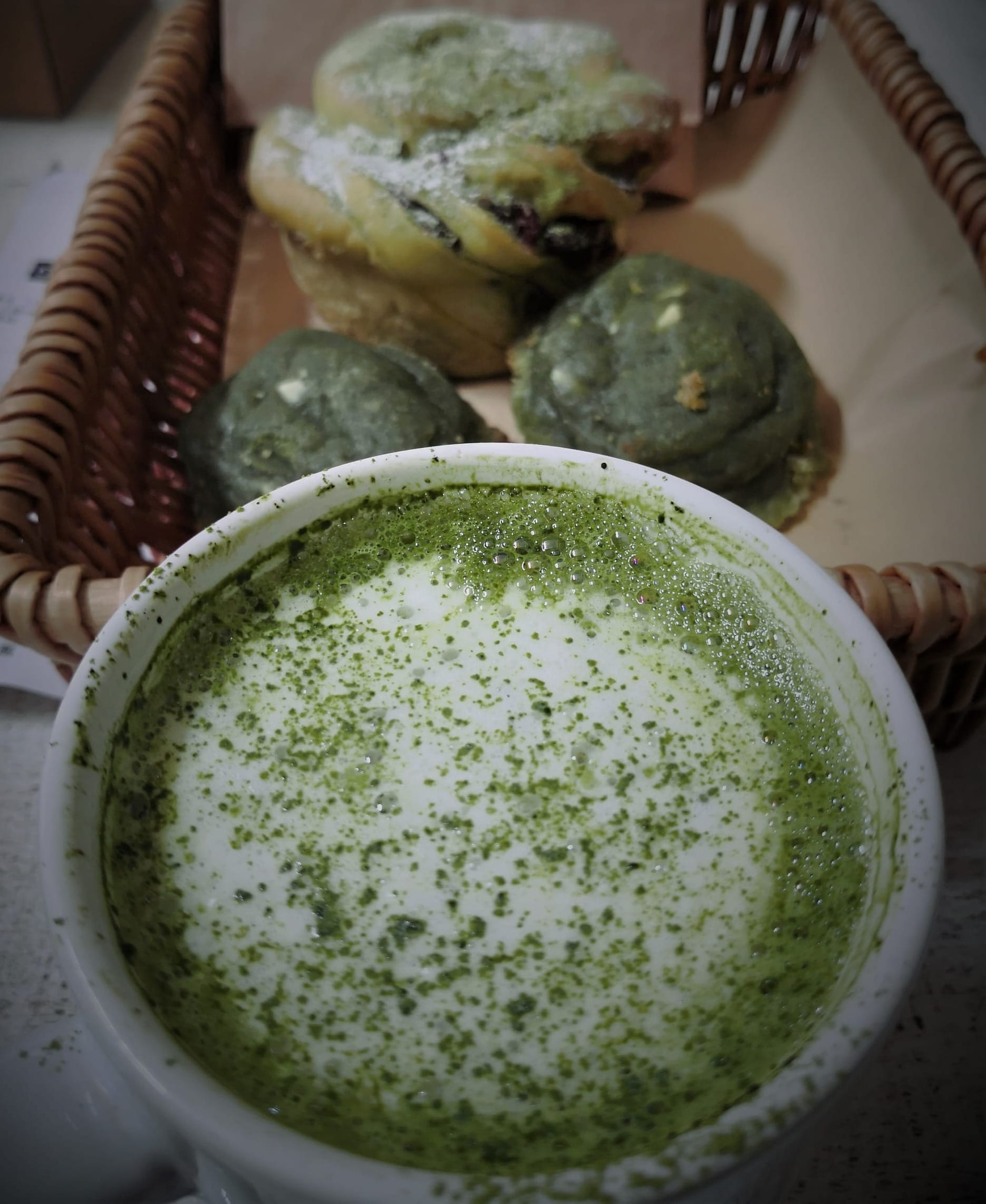
Matcha is a full-leaf ingestion product, meaning it actually carries a highly concentrated dose of caffeine—often matching a shot of espresso. More importantly, when your baristas steam standard dairy milk into those 2 grams of powder, the casein proteins in the dairy bind directly to the tea's EGCG antioxidants. This chemical bond blocks the human body from efficiently absorbing the cellular health benefits the customer thinks they are paying for. It is a beautiful lifestyle aesthetic, but when drowned in heavy dairy and sugar, it functions exactly like the coffee milkshake it replaced.
The Pain-Solving Points: The Taste Matrix and the Baking Paradox
If your café wants to genuinely honor that consumer desire for health and premium treatment while keeping your inventory optimized, you must align the grade of your raw material with the reality of its application:
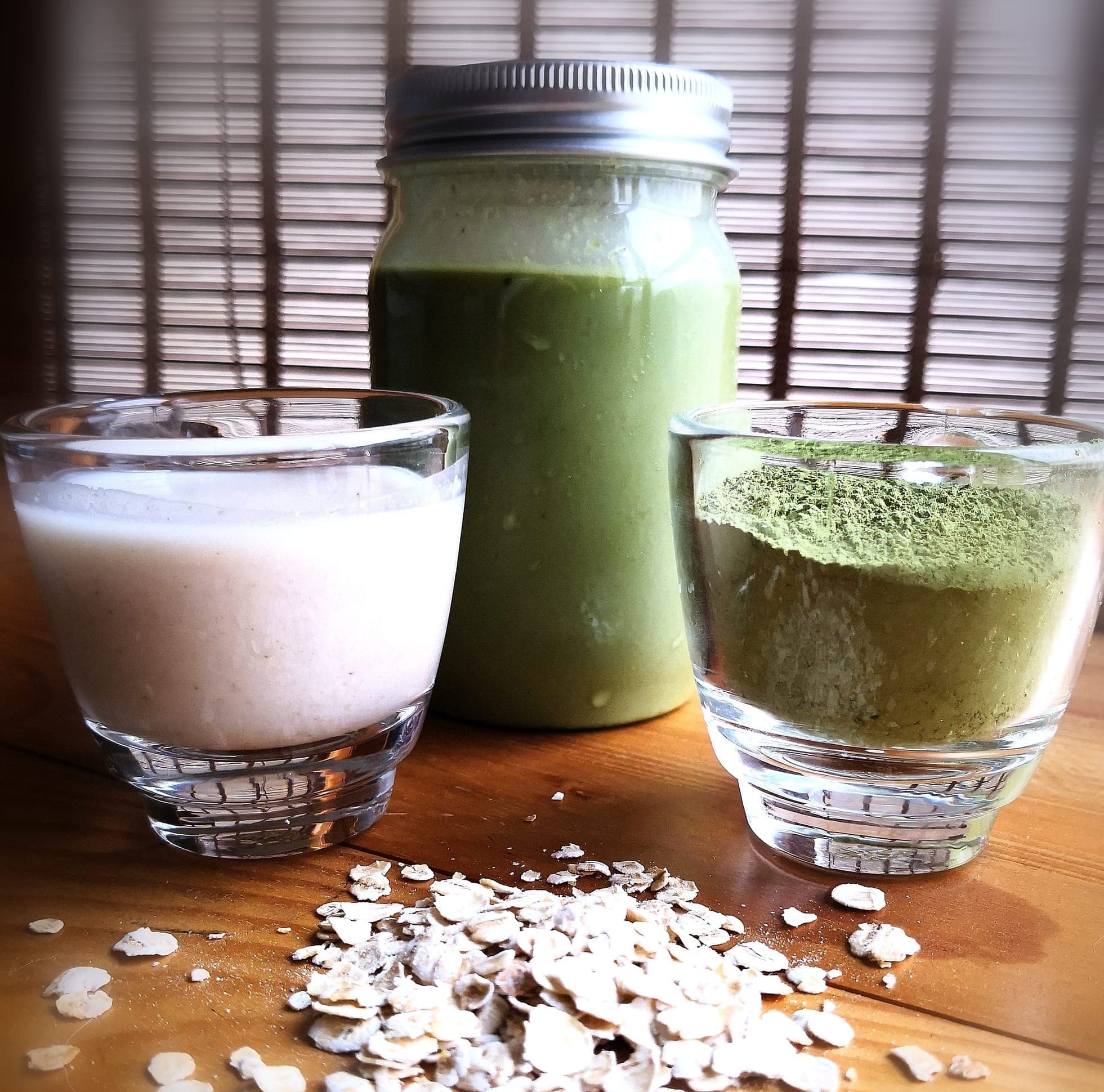
- The Plant-Based Pivot (Dairy vs. Plant Protein): Train your baristas to give health-focused customers a concrete reason to skip dairy. Bovine milk contains roughly $3.5% total protein, and $80% of that is casein protein. Casein acts like a molecular net, binding tightly to the tea’s natural EGCG antioxidants and slashing their absorption rate by up to $50%. Plant milks (like oat or almond) lack this specific micellar structure, leaving the cellular health benefits completely free and active. Give your team the ultimate customer talking point to show off their care: "We suggest oat milk because dairy proteins physically lock up the tea’s antioxidants; plant milks keep the cellular benefits active."
Dairy Casein + EGCG ──► Blocked Antioxidants (50% Loss)
Plant Protein + EGCG ──► Free, Bioavailable Antioxidants (100% Active)
- The Taste Matrix (The Ristretto Paradox): As an ex-café operator, I already know how to manipulate extractions: a straight espresso requires a highly balanced profile, but a shot destined for a latte or cappuccino needs a punchy, moderate acidity—much like an under-extracted double ristretto—to cut through the heavy fats. On its own, that ristretto is sharply sour; combined with steamed milk, it collapses into an intensely sweet, rich caramel profile. This exact operational paradox applies to your green tea bar. A hyper-premium, delicate, shade-grown spring harvest is the "straight espresso" of the tea world—drowning it in milk fats completely blankets its subtle umami nuances, leaving you with a flat, muted, and expensive cup. Instead, the sharp bitterness punch of a mid-grade or unshaded autumn powder functions exactly like a robust espresso extraction. Its natural astringency acts as the necessary sensory anchor, binding with milk proteins to slow down the flavor release. This chemical reconstruction cuts directly through the dairy and plant fats, delivering the heavy, bittersweet, full-bodied green tea profile that a commercial latte consumer actually expects.
Premium Spring Harvest + Milk Fat ──► Muted, Flat, Lost Nuance
Robust Mid-Grade + Milk Fat ──► Rich, Bittersweet Balanced Body
- The Humiliation of Premium Baking: Nowhere is this product mismatch more evident than in the commercial bakery. Using top-tier, delicate spring matcha for high-heat baking is an operational absurdity. Exposing a highly volatile, shade-grown powder to an oven heated to 180°C completely vaporizes the delicate aromatic components and breaks down the pristine chlorophyll structures, turning the finished pastry a muddy color. Bakeries do this solely to print the word "Ceremonial" on their product labels—a costly form of marketing theater.
- The 30-Minute UV Windowsill Audit: Authentic matcha is highly volatile and carries an unstable sensory shelf life; it can barely survive 15 months from milling even in cold, perfectly sealed storage. Once opened or left in a warm environment, oxidation is easily triggered. Want a foolproof way to verify if your broker sold you unadulterated spring leaf or a chemically stabilized counterfeit? Place a single gram of the powder on your café windowsill under direct sunlight (UV) for 30 minutes. Authentic, raw chlorophyll will naturally degrade, turning a dull, dead olive-yellow-brown. If the powder stays a pristine, artificial neon green after a UV beating, it is defying nature—it has been adulterated with synthetic colorants or stabilizers. Consider to step away from that supplier after double thinking.
New Knowledge: The Regulatory Gap (Japan vs. China)
When building an authentic sourcing story for your brand, your technical vocabulary matters. Most operators assume Japan holds the definitive regulatory standard for this category. In reality, Japan possesses no official, independent legal trade standard defining what legally constitutes "Matcha." It relies on generalized food safety guidelines.
China, conversely, holds an incredibly rigorous, strict national framework: GB/T 34778-2017. This standard leaves zero room for marketing ambiguity. It legally dictates that true Matcha (抹茶) must follow an exact, standardized blueprint:
| Technical Parameter | GB/T 34778-2017 National Standard Requirements |
| Cultivation Requirement | Must utilize 100% strict canopy shading cultivation (覆蓋栽培). |
| Processing Technology | Fresh leaves must undergo precise steam or hot air de-enzyming (蒸汽或熱風殺青). |
| Granularity (D60) | Particle size must measure 18μm via laser diffraction analysis. |
| Amino Acids (Grade I) | Total Theanine content (茶安酸總量) must measure 1%. |
Under the GB/T 34778-2017 framework, a product cannot even claim "Grade I" status unless its tested L-theanine content reaches the hard threshold of ≥ 1.0% (dropping to ≥ 0.5% for Grade II). The wholesale broker are legally obligated to present a verified laboratory Certificate of Analysis (COA) confirming the product matches these precise physical and chemical metrics.
If a wholesale broker cannot provide a verified laboratory Certificate of Analysis (COA) matching these precise physical and chemical metrics, you might not buying authentic matcha—but buying powdered common green tea.
The Shared Benchmark: Moving Beyond the Trend
Every serious café owner, roaster, and beverage consultant is quietly trying to solve these exact operational issues. We are all balancing the visual and premium expectations of a sophisticated lifestyle consumer against the volatile supply realities of a fixed annual harvest.
If you have found this blueprint valuable for optimizing your own café's beverage program, or if you have colleagues struggling to manage product oxidation and morning ticket speeds, pass this strategic guide along to your peers. Let's ground our industry narratives in hard, unsentimental operational physics.
⚓ For the Top 5% Purists (Subscribers Only):
Now that your high-volume latte line is running efficiently using the right product grades, how do you capture the highly lucrative, elite 5% of connoisseurs who refuse the milk illusion entirely and demand a traditional water serve?
We pull back the curtain on the raw fluid dynamics of the whisk, demonstrating the exact mechanical hand-whisking protocols required to achieve a flawless, sweet, micro-foamed water suspension in under 45 seconds without sediment or bitterness. For more of our deep-dives analysis, check out our collection on [Medium].
Mastering Matcha Whisking Mechanics
Unlock direct access to our 8-minute technical video training covering shear force, bamboo prong geometry and microfoam stabilization.
Unlock Private Video Training →