Respekt
The Posture of the Leaf
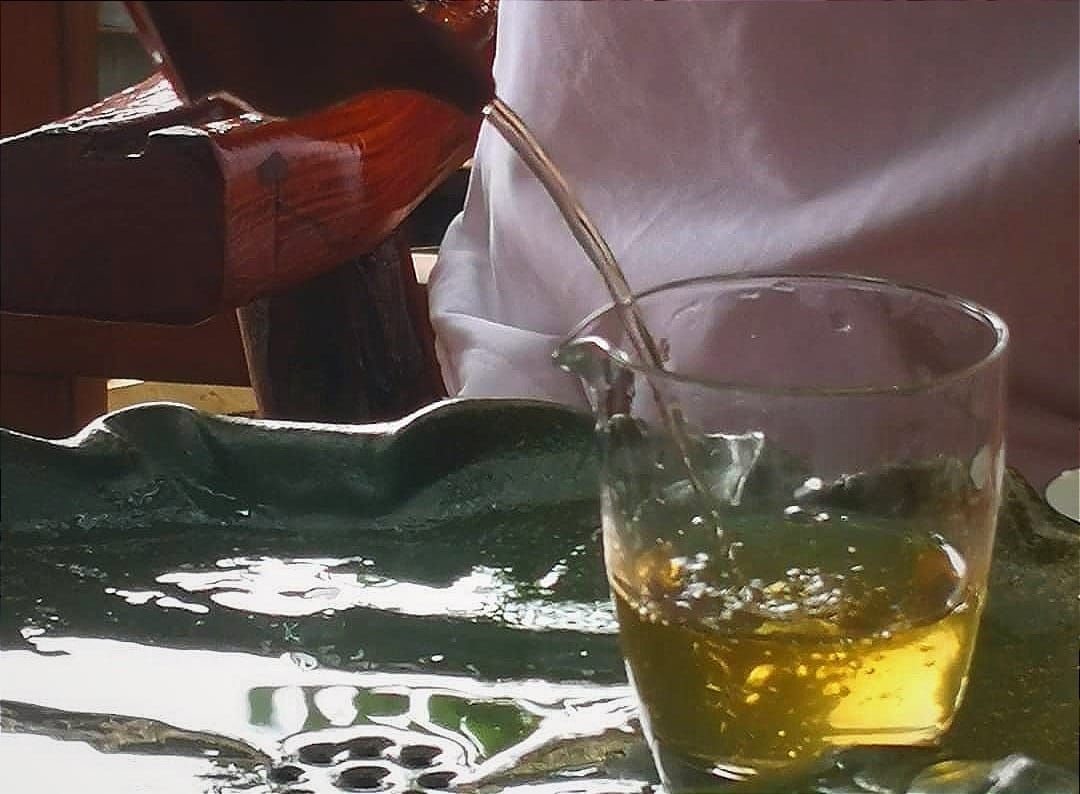
Our tea is harvested entirely by hand—an uncompromised constraint because a machine cannot isolate precise bud-to-leaf ratios from a living branch. Most veteran drinkers instinctively seek out a high density of tea buds, knowing that a concentrated presence of L-theanine over catechins delivers an innate, structural sweetness.
This commitment to unmanipulated botanical architecture is the core of Respekt. Showing courtesy in tea drinking is simply the direct recognition of this physical lineage: a deep respect for what is nourished by the care of the farmer and perfected by the hand of the master.
The Fallacy of the Single Bud
Within this archive, the classical one-bud, one-leaf blueprint is held by Heaven’s Twig (仙枝) from Xitou Village of Wuyuan, and Dragon Well from Shangyu, Zhejiang. Both are Pre-Chingming spring green teas, secured in 2012 by tracking the verified registries of Fairtrade International.
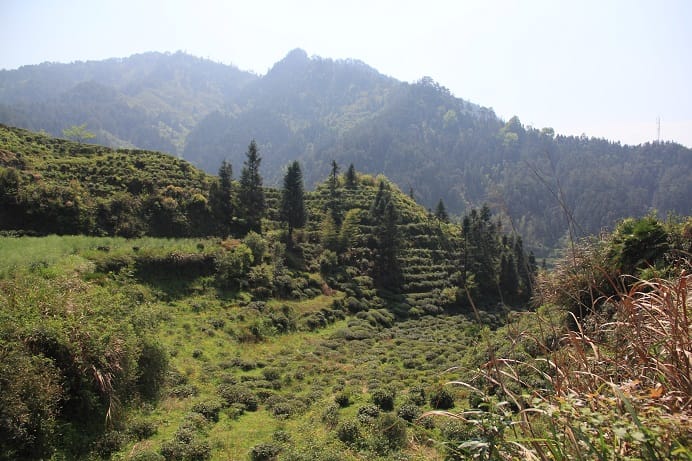
Conversely, the exact same high bud-ratio architecture manifests in our Yunnan Golden Needles (金針) and Golden Threads (金絲). While their vibrant golden down indicates a matching bud density, these are autumn teas grown on the same mountain contours in Menglian, Yunnan—cultivated at 1,500 meters and 2,000 meters respectively. Discovered via China’s only registered World Fairtrade Organization (WFTO) network in 2011, they present an identical physical configuration but a completely inverted seasonal and altitudinal flavor profile.
The Morphology and Maturity Controls
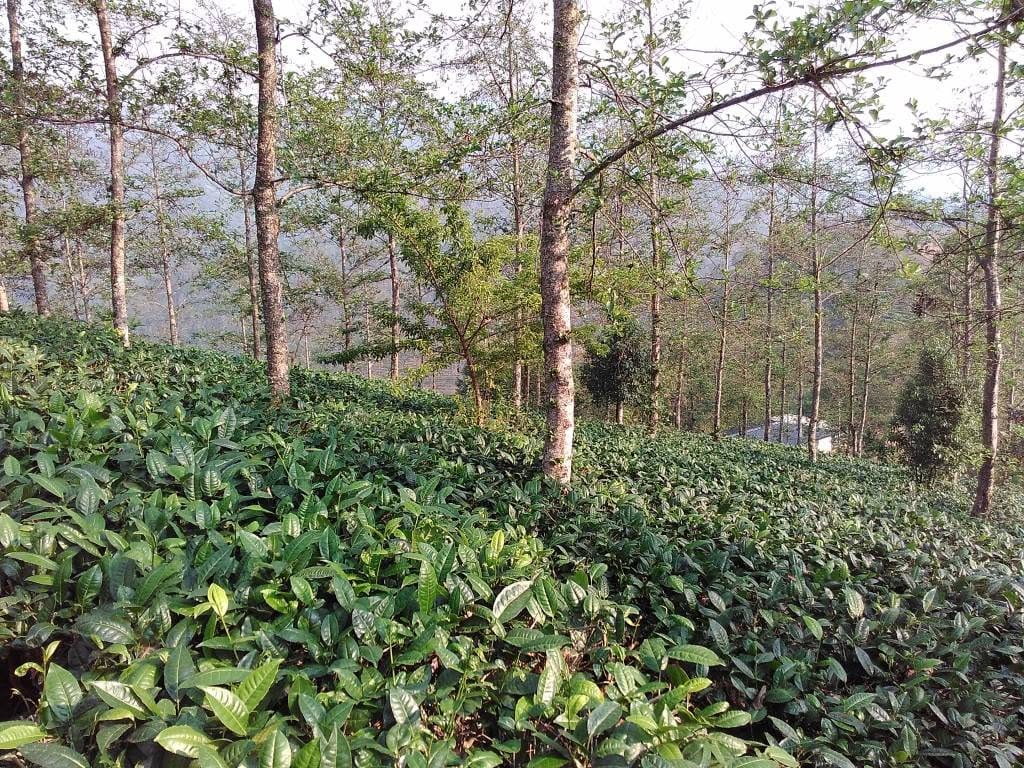
Between our cooperative estates in Wuyuan and Menglian, we isolate how plant genetics dictate flavor long before processing begins.
To execute this control study, we introduce Spring—a small-leaf spring black tea (var. sinensis) grown at 800 meters in Wuyuan. While Yunnan black teas derive their heavy, broad-shouldered profiles from massive large-leaf varietals (var. assamica), Wuyuan operates on a highly aromatic, small-leaf genetic scale. Xitou Village sits as an immediate geographical neighbor to Qimen (祁門), divided by a mere 30 to 50 kilometers of high-mountain terrain. By side-by-side pairing these with our two white teas—a small-leaf Fuding cultivar planted to Wuyuan, and a native large-leaf white tea from Menglian—the drinker can completely isolate morphology from processing.
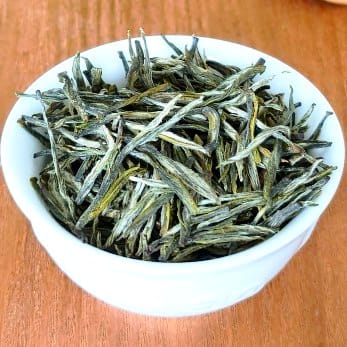
Heaven's Twig (仙枝)
Wuyuan Green • Pre-Chingming Spring • Small-Leaf
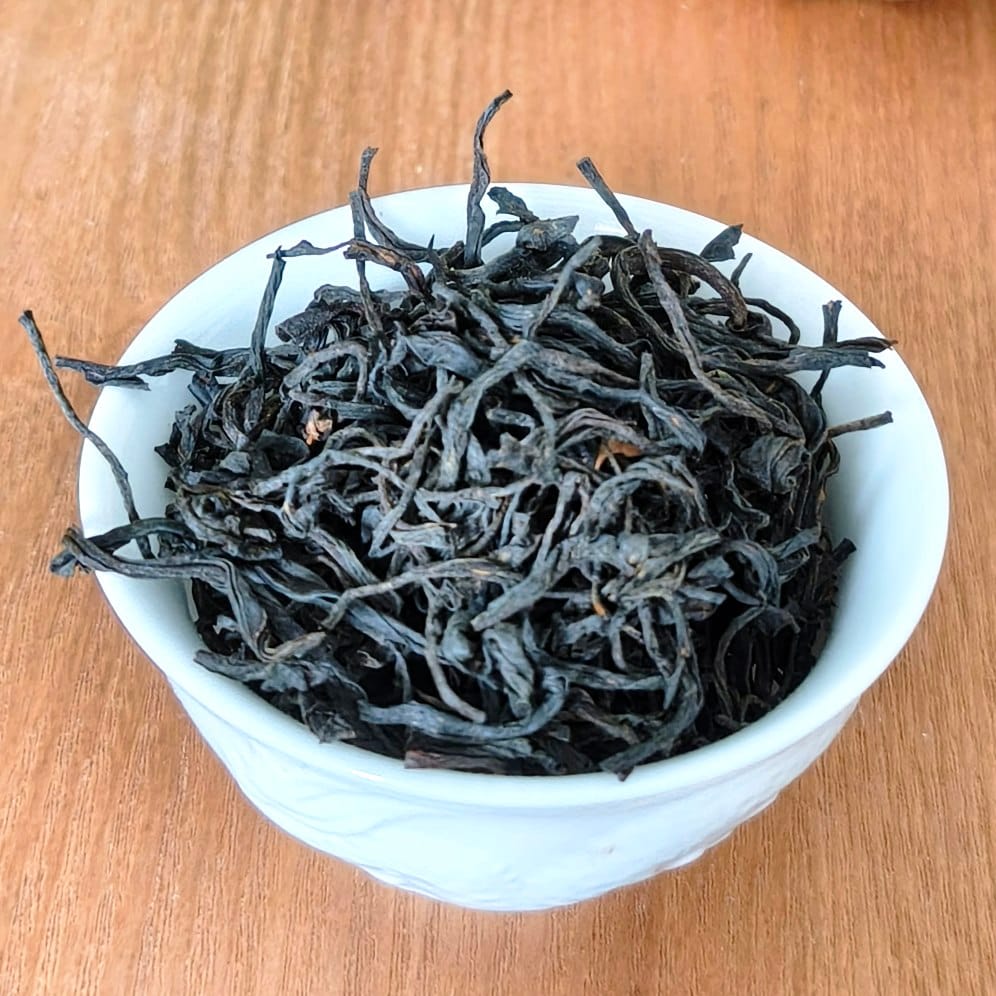
Spring
Wuyuan Black • Rare Spring Small-Leaf • Genetic Contrast
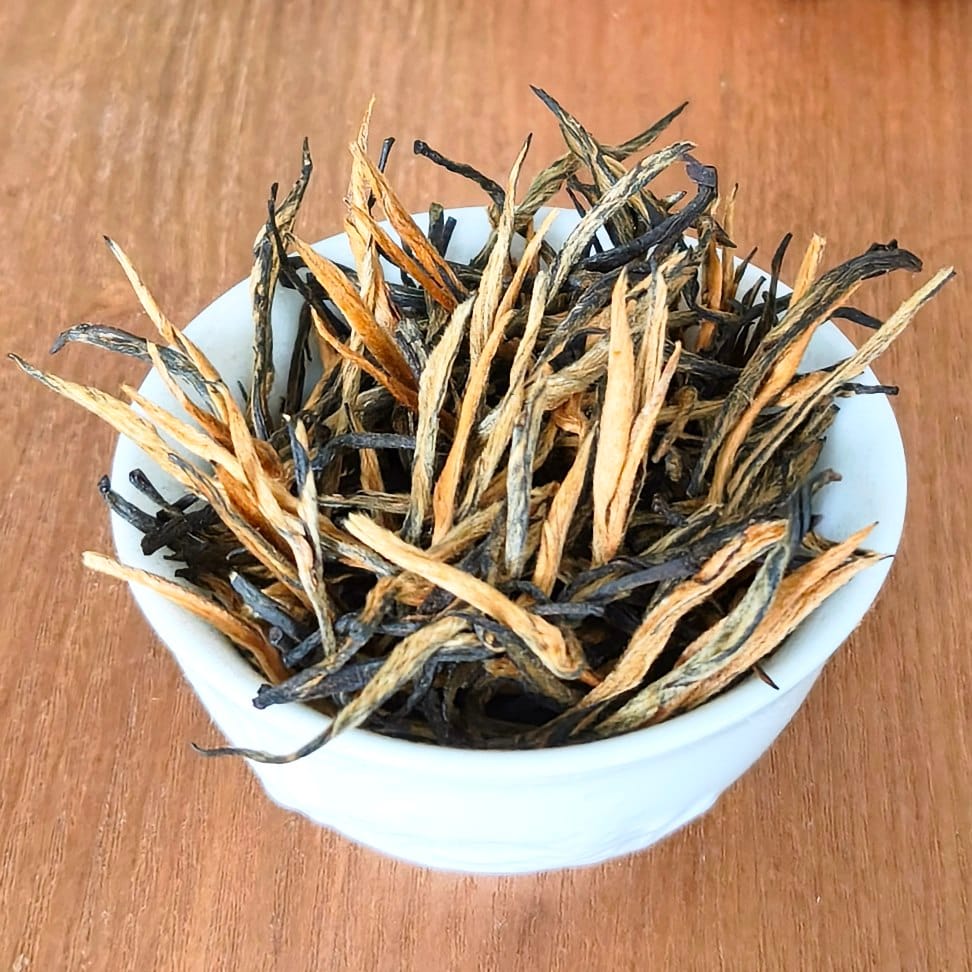
Golden Needles (金針)
Yunnan Black • Pure Autumn Buds • Large-Leaf Density
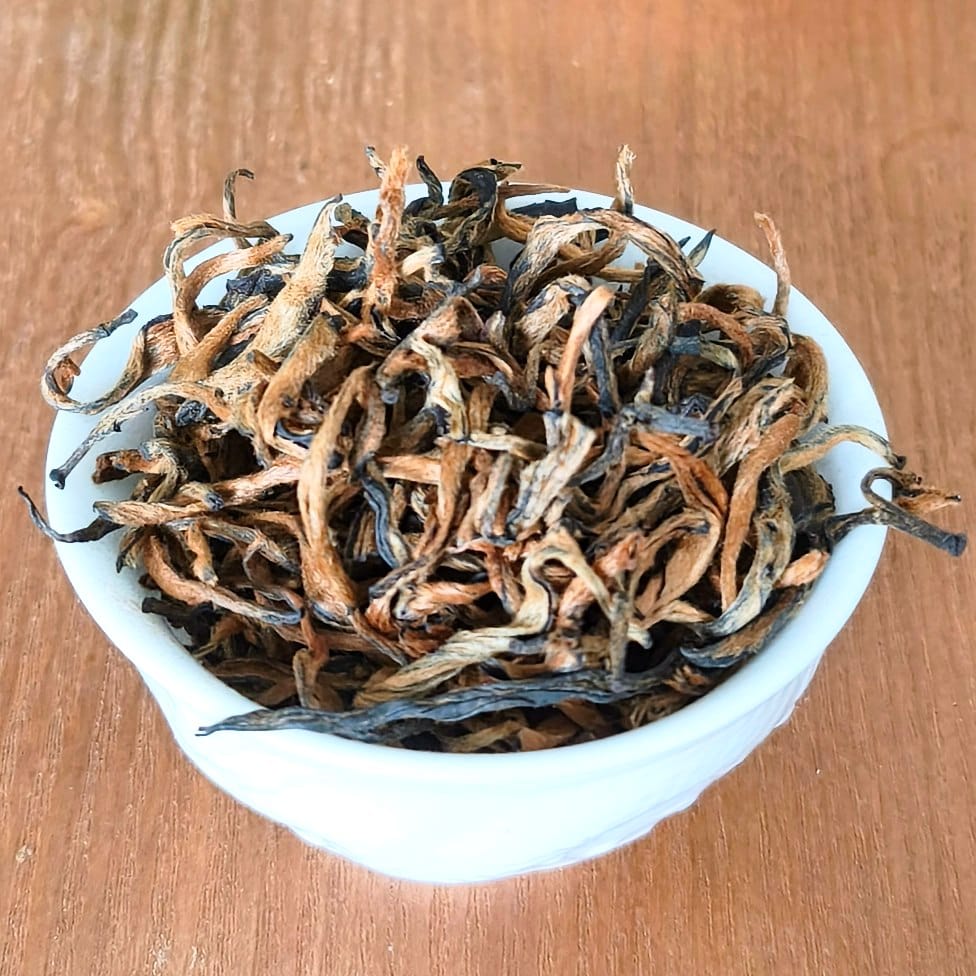
Golden Threads (金絲)
Yunnan Black • High-Altitude Buds • Intense Down
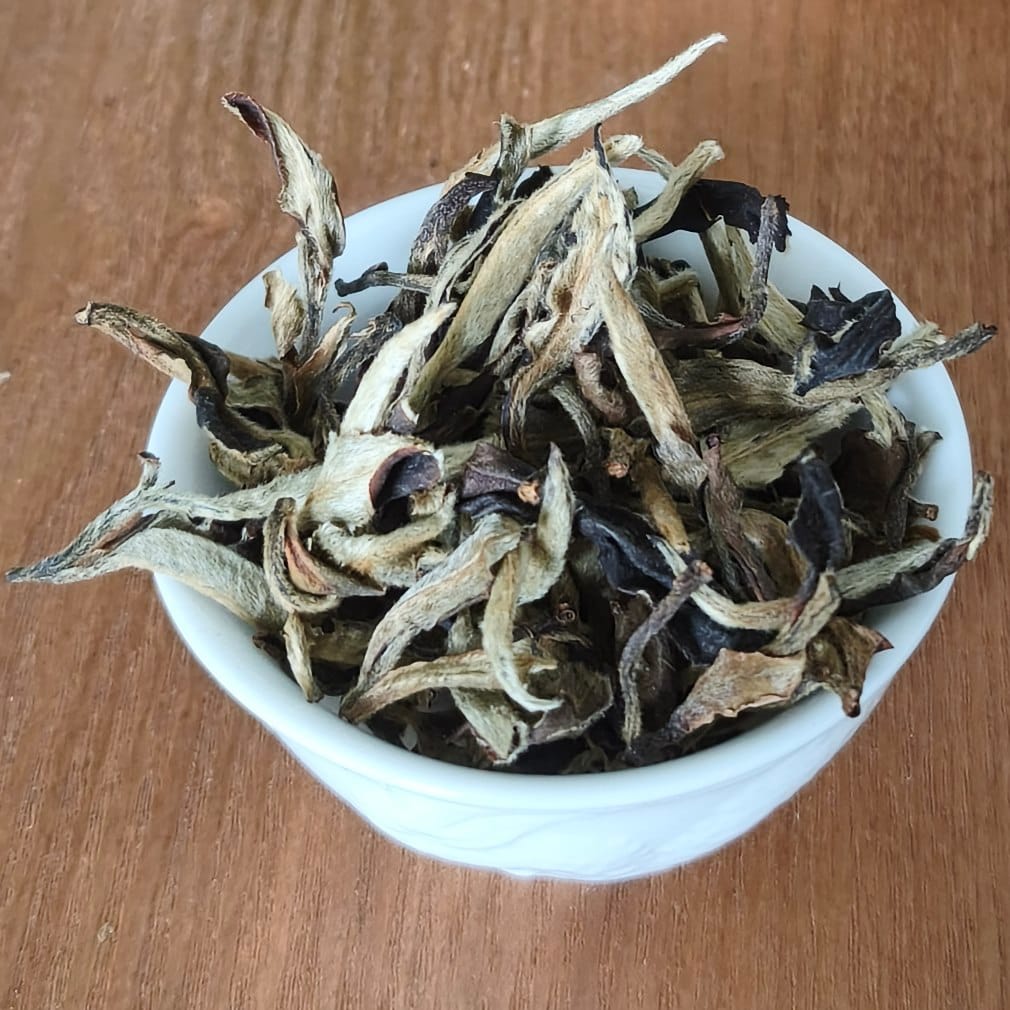
Yunnan White Tea
Yunnan White • Unmanipulated Large-Leaf • Pure Terroir
Breaking the "One-Bud" Myth
From this genetic baseline, the archive directly challenges the market assumption that elite tea begins and ends with a single bud. We maintain Wild Mountain (野山) on the menu specifically to trace leaf maturity.
Harvested later in the spring window from the exact same heirloom Wuyuan plots as our green teas, this selection transitions into a robust one-bud, two-to-three-leaf configuration. Allowing the leaf material to mature alters the internal chemistry completely. The increased surface area yields a higher caffeine and catechins presence that complexly binds with the baseline L-theanine, delivering a thick, viscous mouthfeel and a heavy, deeply structural aftertaste (Hou Yun).
The Fermentation Shift: Jingmai Mountain
Once the palate calibrates the structural taste differences driven by oxidation, the focus shifts from simple oxygen exposure to microbial fermentation. How a different season interacts with a completely different size of tea leaf is brought into stark clarity.
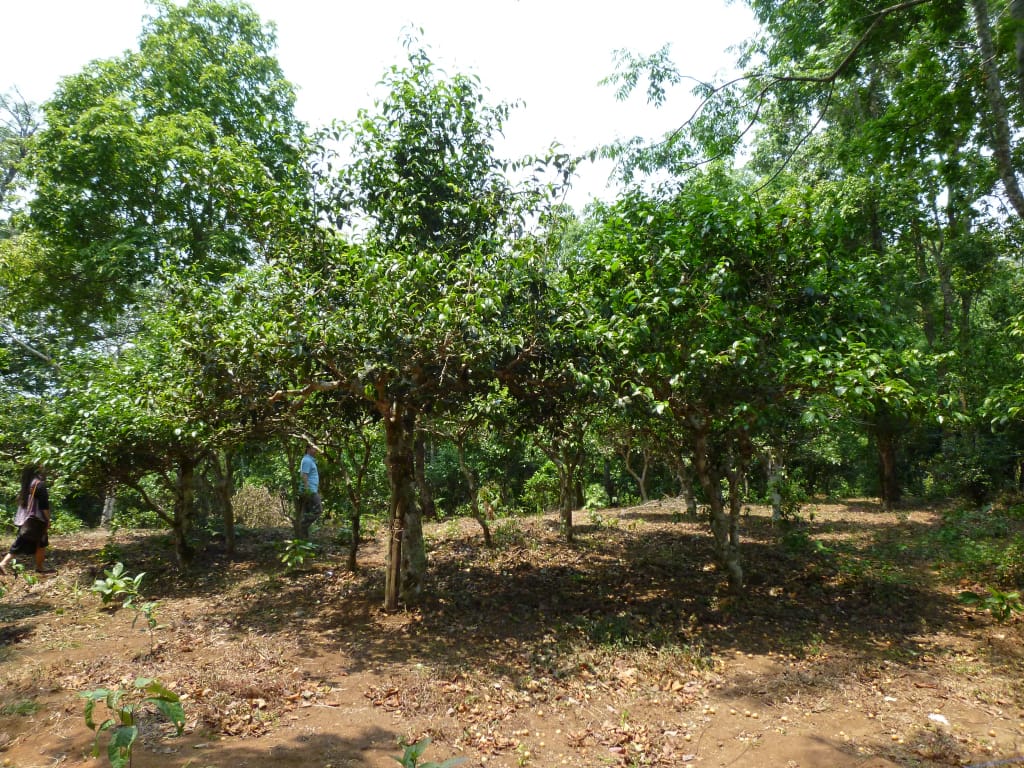
Our baseline post-fermented material is anchored by traceable, compressed Pu'er Mini Balls from the Fairtrade International registry. However, an authentic exploration of dark tea requires deep forest ecosystems. Guided by the Solidaridad China office, we secured direct access to the indigenous tea cooperatives of Jingmai Mountain.
This terroir holds immense gravity: uniquely among ancient ecosystems, the ancient tea plantations of Mount Jingmai are inscribed on the UNESCO World Heritage List as a Cultural Landscape. By utilizing Ancient Tree Ripe Pu'er, Raw Pu'er, and Black tea from this single forest system, the comparative variations remain blunt, honest, and entirely unmanipulated.
The Framework of Teativity
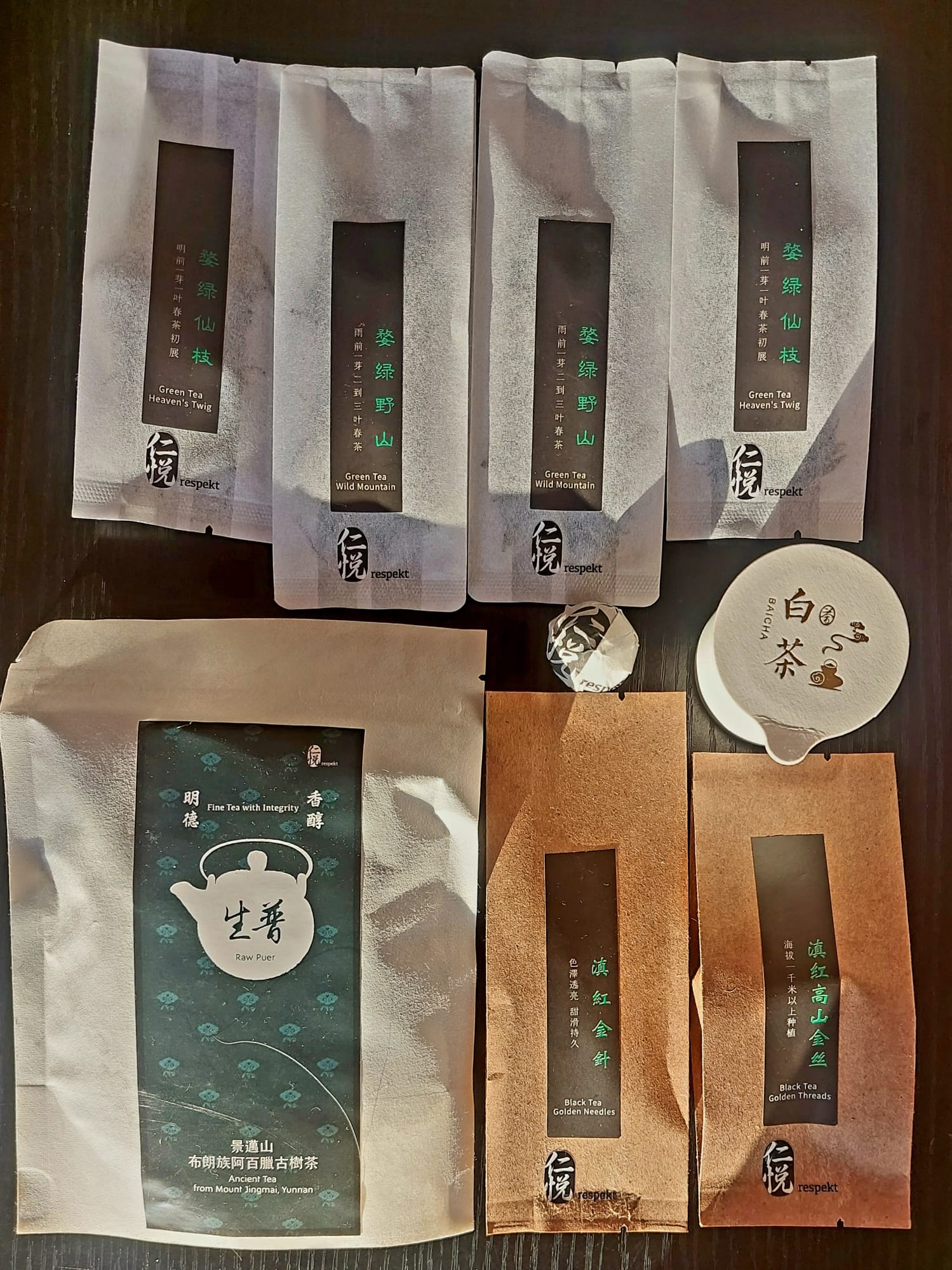
To recognize the preferences of your palate via these four foundational pillars—Green, Black, White, and Dark—we systematically formed Teativity. This is the exact diagnostic moment you are ready to transition from raw tasting into advanced processing science.
Table of Teativity
| Tea Categories | Archive Selection | Terroir Baseline & Altitude | Botanical Architecture & Sourcing Timeline |
|---|---|---|---|
| Green Tea | Heaven's Twig (仙枝) | Wuyuan, Xitou Village (800m) | 1 Bud, 1 Leaf • Pre-Chingming Spring |
| Wild Mountain (野山) | Wuyuan, Heirloom Plots (800m) | 1 Bud, 2–3 Leaves • Late Spring (April) | |
| Black Tea | Golden Threads (金絲) | Menglian, Yunnan (2,000m) | High Bud Ratio • Autumn Harvest |
| Golden Needles (金針) | Menglian, Yunnan (1,500m) | High Bud Ratio • Autumn Harvest | |
| White Tea | Yunnan White Tea | Menglian, Yunnan | Native Large-Leaf Morphology • Least Intervention |
| Dark Tea | Pu'er Mini Balls | Lincang, Yunnan (1,500m) | Compressed Format • Sourced via Fairtrade Registries |
| Raw Puer | Mount Jingmai Ancient Tea Forest (1,400m) | UNESCO Cultural Landscape |
The Master-Driven Lineages (Oolong & Yellow)
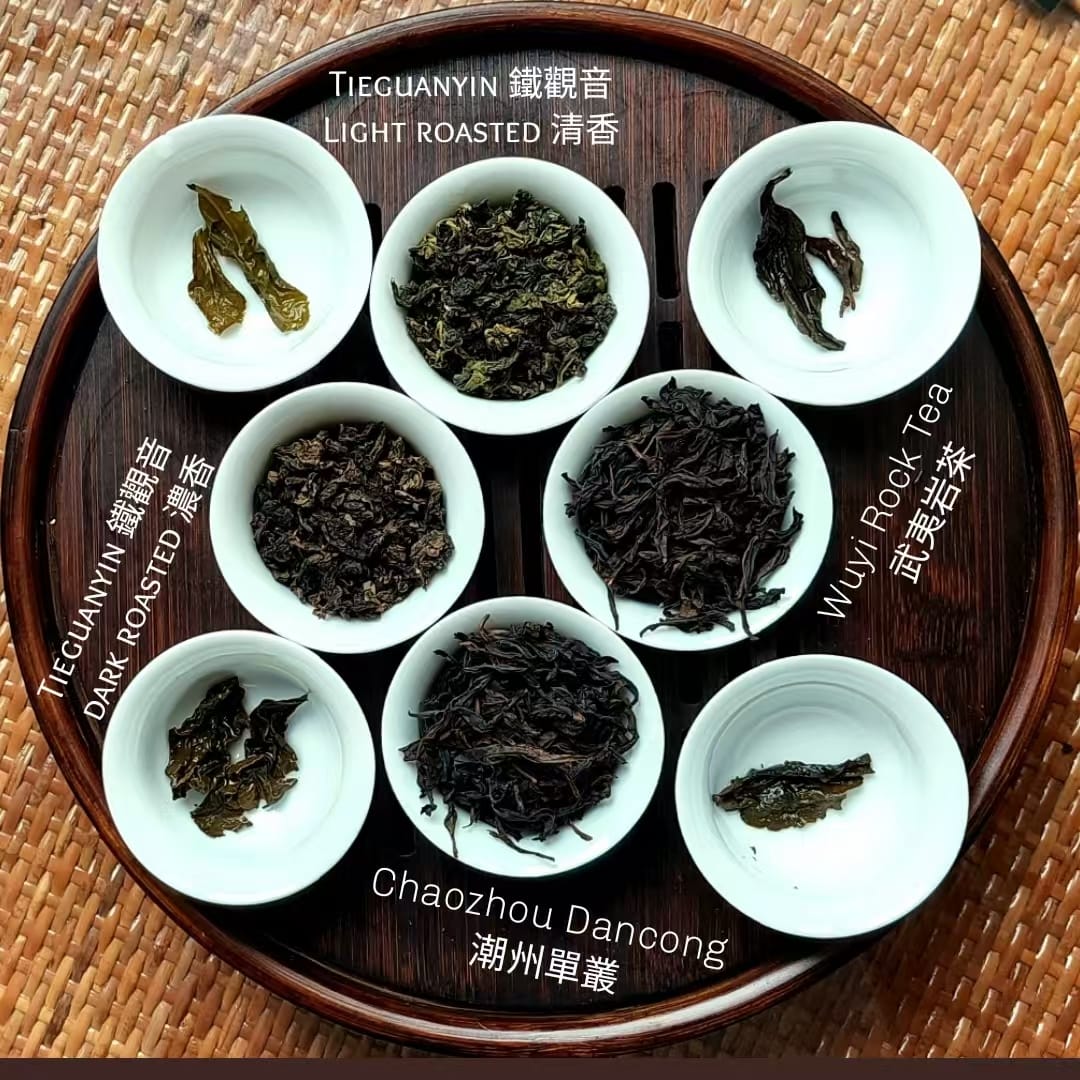
Following a decade of grounding our foundational archive, we expanded to Oolong estates only when authenticity allowed. In the science of processing, Oolong represents a distinct peak of difficulty; because it is semi-oxidized, its success relies entirely on the sophisticated, multi-generational knowledge of a Tea Master. With China's traditional tea processing techniques formally inscribed on the UNESCO Intangible Cultural Heritage list, we are proud to source our Oolong and Yellow teas exclusively from recognized Representative Practitioners of this living legacy. For a serious drinker, these lineage partnerships are our ultimate guarantee of authenticity:
Many serious drinkers reckon there are quite a lot of different variations of Oolong tea. So far, we have anchored two partners. One is from Mount Phoenix in Chaozhou, Guangdong. The Phoenix Dancong in our archive is a large-leaf varietal from organically managed arbor plots, run by a second-generation native producer who is recognized as a city-level Representative Practitioner of the craft. Our other source comes from Gande, Anxi—the famous cradle of Iron Goddess (Tieguanyin) in Fujian. Our source here is managed by a third-generation family lineage, led by a Provincial Representative Practitioner of Tieguanyin tea-making. Yellow Tea may be the least popular category, but it remains a crucial missing link among tea friends. To bridge this gap, our archive chose an heirloom lot from Huoshan, Anhui. Its complexity is managed by a recognized city-level Representative Practitioner to preserve an authentic, living record of this endangered, micro-smothered processing lineage.
The Journey Beyond the Box
Boxing, framing, and rigidly categorizing tea for tasting is largely a Western cultural construction—it is not truly Chinese. Seeking an absolute, unyielding instruction manual for brewing and drinking completely misses the authentic spirit of the leaf.
The true joy of Chinese tea lies entirely in the freedom of exploration. The water-to-leaf ratios, the temperature adjustments, the duration of the steep, and the evolution across multiple infusions are not strict rules to obey—they are an active adventure left entirely to the curiosity of the drinker. We provide the scientific coordinates, but the journey belongs to you.
On this adventure, you can free yourself, yet manage to restrain the ego to equal yourself to the tea. Through this selfless discipline, you unlock the ultimate virtue of the experience. In Chinese, we call this 克己復禮為仁—subduing one's self and returning to propriety to realize perfect virtue.
👉 Access Live Inventory and Retail Allocations↗